
Mental health in unstable times: Living with a constant sense of threat
Many people are carrying a quiet but persistent sense of unease right now. Even on days when nothing goes wrong, your body may feel tense, your thoughts may race, and fully relaxing can feel out of reach. It is not always panic or fear, but a steady background feeling that something could happen at any moment.
If you have found yourself asking, “Why do I feel so on edge all the time?” you are far from alone.
At Stillwater Therapy, we hear this concern frequently. Clients describe feeling emotionally exhausted, hyperaware, and unable to settle, even when their lives appear stable on the surface. Living in uncertain and unpredictable times can create a constant sense of threat, and this ongoing state of alertness has a real and lasting impact on mental health.
Understanding what is happening in your nervous system is an important first step toward relief.

What Does It Mean to Live With a Constant Sense of Threat?
Living with a constant sense of threat means your nervous system is operating as if danger is always nearby, even when there is no immediate threat in front of you. Your body stays prepared, alert, and guarded, prioritizing protection over rest and restoration.
This often shows up as chronic tension, racing thoughts, difficulty sleeping, or feeling emotionally reactive. You may notice that your mind jumps quickly to worst case scenarios or that small stressors feel disproportionately overwhelming. Even moments that should feel calm can carry an underlying sense of urgency.
This response is not a failure of resilience. It is a survival mechanism. Your brain is doing exactly what it is designed to do when it perceives ongoing uncertainty.
Why Do Unstable Times Affect Mental Health So Deeply?
Human nervous systems are wired for safety, predictability, and connection. When the world feels unstable, whether due to global events, political tension, economic uncertainty, climate concerns, or collective stress, your brain receives repeated signals that safety cannot be guaranteed.
Unlike short bursts of stress, prolonged uncertainty does not give your system a clear endpoint. There is no moment when your brain can confidently stand down. Over time, this keeps your nervous system in a heightened state of alert.
According to the American Psychological Association, chronic stress without resolution can contribute to anxiety, depression, emotional exhaustion, difficulty concentrating, and physical health concerns. You can learn more about how ongoing stress impacts mental health here.
This explains why even when your personal life is relatively stable, the emotional weight of the world can still feel heavy.
Is It Normal to Feel Anxious When Nothing Is Immediately Wrong?
Yes, and this is one of the most misunderstood aspects of anxiety.
Many people assume anxiety must be tied to a specific problem. When they cannot identify a clear cause, they turn inward and blame themselves. Thoughts like “I should be grateful” or “Other people have it worse” are common.
Anxiety does not require a single trigger. It can develop from prolonged exposure to uncertainty, instability, or perceived threat. Your nervous system learns patterns over time. If unpredictability becomes the norm, your body adapts by staying vigilant.
Feeling anxious without a clear reason does not mean you are overreacting. It means your system has learned that staying alert feels safer than letting your guard down.
How Chronic Stress Keeps Your Nervous System on High Alert
When stress becomes chronic, your body spends more time in fight or flight mode. Stress hormones like cortisol and adrenaline circulate longer than they are meant to, keeping your system activated.
Over time, this can affect nearly every area of your life. You may notice increased irritability, muscle tension, headaches, digestive issues, or difficulty focusing. Emotionally, you may feel overwhelmed, disconnected, or emotionally numb. Sleep often becomes disrupted, making it even harder for your body to recover.
Psychology Today explains how prolonged stress impacts both emotional and physical health.
Living in this state is deeply exhausting, even if you are functioning well on the outside.
How Media and Constant Information Fuel a Sense of Threat
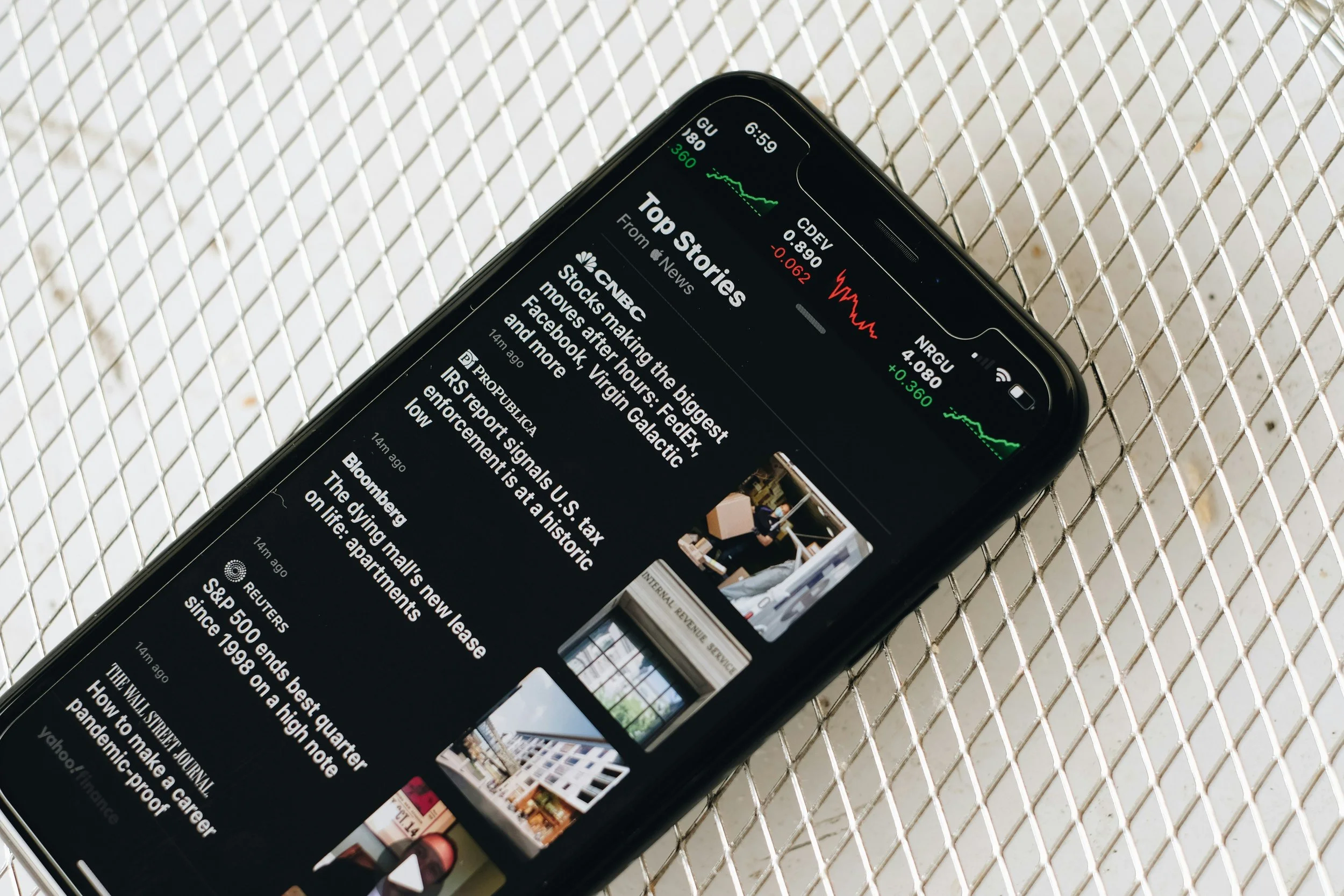
One factor that significantly contributes to chronic stress is constant exposure to information. News alerts, social media, and nonstop updates mean your brain rarely gets a break from potential threats.
Your nervous system does not distinguish well between immediate danger and distant or abstract threats. Seeing repeated headlines about crisis, conflict, or uncertainty can activate the same stress response as personal danger.
Even if you are physically safe, your body may not feel that way. Over time, this continuous activation reinforces the belief that it is not safe to relax.
Signs Your Body Is Stuck in Survival Mode
You may be experiencing survival mode if you notice that rest feels uncomfortable, stillness increases anxiety, or your body feels tense most of the time. Many people also report feeling emotionally flat or disconnected, as if joy and ease are harder to access.
Other signs include irritability, overwhelm, difficulty concentrating, and a persistent sense of urgency. These responses are not personality traits. They are signals from a nervous system that has been working overtime to keep you safe.
Recognizing these signs is not about labeling yourself. It is about understanding what your body needs.
Why Self Care Alone Is Not Always Enough
You may already be doing everything you are told to do for your mental health. You exercise, eat well, meditate, journal, or practice gratitude. These practices are valuable, but sometimes they are not enough on their own.
When stress becomes chronic, the issue is not willpower or mindset. It is nervous system regulation. No amount of positive thinking can override a body that believes it is under threat.
Self care works best when it is paired with support, consistency, and an understanding of what your system actually needs to feel safe again.
How to Feel Safer When the World Feels Unstable
The goal is not to eliminate uncertainty. That is not realistic. The goal is to create moments of safety and regulation within uncertainty, so your nervous system has opportunities to reset.
Small, repeated experiences of predictability can make a meaningful difference. Consistent sleep routines, regular meals, gentle movement, and reliable daily rituals all send signals of safety to your body.
Focusing on what you can control helps counterbalance the sense that everything is unpredictable.
Setting Boundaries With News and Social Media
Being informed is important, but constant exposure can be harmful. Setting intentional boundaries around media consumption is not avoidance. It is mental health care.
Choose specific times to check the news. Avoid starting or ending your day with distressing content. Curate your social media feeds so they include grounding, neutral, or positive material.
Your nervous system deserves rest.
Reconnecting With Your Body as an Anchor
When your mind feels overwhelmed, your body can provide grounding. Practices like slow breathing, stretching, walking, or mindful movement help shift your system out of high alert.
These practices are not about eliminating anxiety. They are about teaching your body that safety exists in the present moment. Over time, this can reduce baseline tension and increase emotional resilience.
Consistency matters more than intensity.
Why Therapy Helps When You Feel Constantly On Edge
Living with a constant sense of threat can feel isolating. Therapy offers a space where you do not have to explain or justify your experience.
A therapist can help you understand your stress responses, process fear and uncertainty, and develop tools that support nervous system regulation. Therapy is not about pretending things are fine. It is about learning how to live well, even when things feel uncertain.
At Stillwater Therapy, we work with clients who feel chronically overwhelmed, anxious, or emotionally exhausted by prolonged instability.
You Are Not Overreacting to Unstable Times
Many people minimize their distress because others appear to be coping or because they believe they should be stronger.
Pain is not a competition. Your nervous system responds to what it perceives, not to comparisons.
Feeling unsettled in uncertain times is a human response. It does not mean you are weak or incapable.
When a Constant Sense of Threat Becomes Anxiety or Trauma
For some people, prolonged stress can evolve into anxiety disorders or trauma responses. Panic attacks, intrusive thoughts, emotional shutdown, and avoidance are signs that your system may need additional support.
Early intervention can help prevent long-term burnout and dysregulation. You do not need to wait until things feel unbearable to seek help.
How Therapy Can Support Mental Health in Uncertain Times
Therapy can help you slow down, reconnect with yourself, and rebuild a sense of internal safety. At Stillwater Therapy, we support clients in regulating their nervous systems, managing anxiety, processing uncertainty, and developing sustainable coping strategies.
You deserve support that goes beyond survival.
You Deserve Peace, Even in Unstable Times
Living with a constant sense of threat is exhausting. It wears on your body, your emotions, and your sense of self.
You are not broken. You are responding to a world that feels unpredictable.
If you are ready to feel more grounded, supported, and steady, we are here.
Even in uncertain times, it is possible to find steadiness. And you do not have to do it alone.
