
"I'm bored."
If you are a parent, you have heard this phrase more times than you can count. It usually comes at the most inconvenient moments: when you are making dinner, finishing work, or finally sitting down for a moment of rest. The instinct is to fix it immediately. Hand them a tablet, turn on the TV, or suggest an activity. But what if boredom is not a problem to solve? What if it is actually an opportunity?
Boredom is uncomfortable for children and parents alike. However, learning to sit with that discomfort and move through it is one of the most valuable life skills a child can develop. At Stillwater Therapy in Clearwater, FL, we work with families to help children build emotional resilience, and teaching kids how to cope with boredom is a surprisingly powerful part of that process.
In this post, we will explore why boredom matters, what happens when we rescue kids from it too quickly, and practical strategies you can use to help your child develop healthy coping skills that will serve them for life.
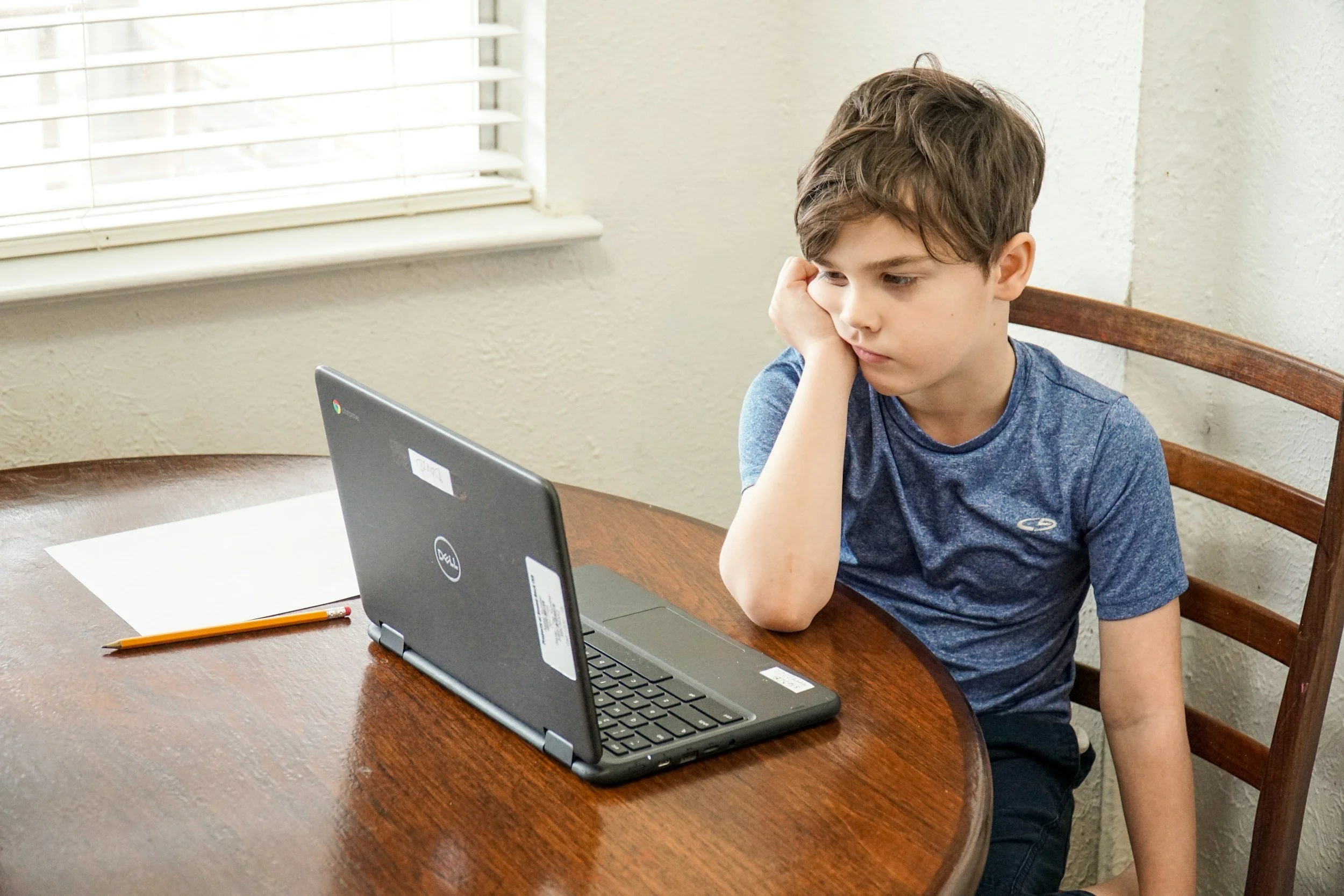
Why boredom is actually good for kids
Boredom gets a bad reputation. It feels unproductive. It looks like wasted time. But research shows that boredom plays a critical role in child development.
When children experience boredom, they are forced to confront an uncomfortable feeling without an immediate solution. This is where growth happens. According to the Child Mind Institute, boredom encourages creativity, problem-solving, and self-regulation. Kids who learn to tolerate boredom develop stronger executive functioning skills, which help them manage emotions, plan ahead, and think flexibly.
Boredom also teaches children that not every moment needs to be stimulating. In a world that constantly demands their attention through screens, notifications, and structured activities, boredom offers a rare chance to slow down and turn inward. It is in those quiet, unstructured moments that kids discover what they actually enjoy, what they are curious about, and who they are when no one is telling them what to do.
When we rush to entertain our children every time they complain of boredom, we rob them of the chance to build these skills. We send the message that discomfort is something to avoid rather than something to move through. Over time, this can make it harder for kids to self-soothe, cope with frustration, or find joy in simple, unstructured play.
What happens when we rescue kids from boredom
It is natural to want to help. When your child says they are bored, your brain jumps into problem-solving mode. You want them to be happy. You want peace in your house. You might also feel guilty if you are busy and cannot drop everything to play with them.
But when we consistently step in to fix boredom, we accidentally teach kids that they cannot handle uncomfortable feelings on their own. They learn to rely on external entertainment rather than developing internal resources. They may also become more anxious or less tolerant of discomfort because they never practice sitting with it.
This does not mean you should ignore your child or refuse to help. It means recognizing that boredom is not an emergency. It is a developmental moment. Your role is not to eliminate boredom but to support your child as they learn to navigate it.
Think of it like learning to ride a bike. You would not hold onto the handlebars forever. You let go so they can find their balance. Boredom works the same way. You are there to guide and encourage, but the work of finding their own balance belongs to them.
Age-appropriate expectations for coping with boredom
What boredom looks like and how children cope with it changes as they grow. Understanding developmental stages can help you set realistic expectations and provide the right level of support.
Toddlers and preschoolers (ages 2-5)
Young children have limited ability to entertain themselves for long periods. Their attention spans are short, and they are still learning to regulate their emotions. Boredom at this age often looks like whining, clinginess, or meltdowns.
At this stage, your role is to create a safe environment for exploration and offer gentle guidance. Instead of directing their play, you might sit nearby while they explore toys, offer open-ended materials like blocks or crayons, or narrate what they are doing to help them stay engaged.
Expect toddlers and preschoolers to need frequent check-ins. They are not developmentally ready to handle long stretches of boredom on their own, and that is okay.
Early elementary (ages 6-8)
Children in this age range are building independence and can handle longer periods of unstructured time. They may still need help getting started, but they are capable of sustaining play once they find something interesting.
Boredom at this age might sound like, "There's nothing to do," or "I don't know what to play." They are not necessarily asking you to entertain them. They may just need a nudge to get their own ideas flowing.
Your role is to offer suggestions without taking over. You might say, "I wonder what you could build with those cardboard boxes," or "Maybe you could draw a map of an imaginary world." Then step back and let them take it from there.
Tweens and teens (ages 9+)
Older children and teenagers are fully capable of managing boredom, but they may resist it. Many have grown accustomed to constant stimulation from screens, social media, and packed schedules. When faced with unstructured time, they may feel anxious or uncomfortable.
Boredom at this age might look like irritability, complaining, or immediately reaching for a phone. This is where you can have more direct conversations about why boredom matters and what healthy coping looks like. If your tween or teen is struggling with anxiety or avoidance, therapy can provide tools to manage those feelings. Check out our post on Blog Monday: How therapy can help adolescents with school refusal and avoidance for more on supporting older kids through emotional challenges.
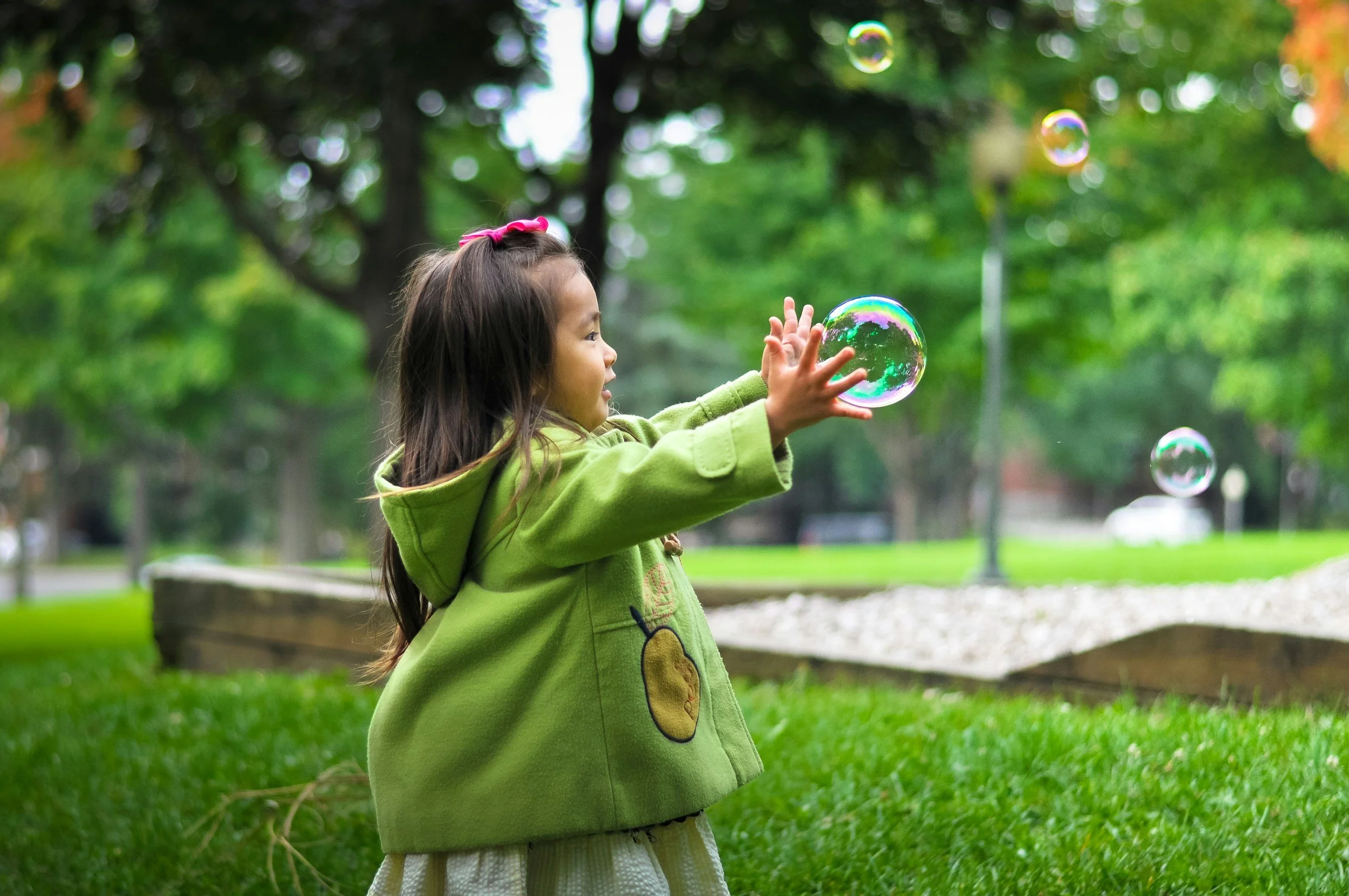
Practical strategies to help children cope with boredom
Now that we understand why boredom matters and what to expect at different ages, let us talk about how to actually support your child through it. These strategies are designed to help kids develop their own coping skills rather than relying on you to solve the problem for them.
1. Resist the urge to fix it immediately
When your child says they are bored, pause before jumping in. Take a breath. Acknowledge their feeling without immediately offering a solution. You might say, "It sounds like you are feeling bored right now. That is okay. Sometimes our brains need a little time to figure out what we want to do."
This simple validation helps kids understand that boredom is normal and temporary. It also gives them space to start problem-solving on their own.
2. Offer tools, not answers
Instead of telling your child what to do, give them tools to generate their own ideas. You might keep a "boredom jar" filled with activity suggestions they helped create. When they are bored, they can pull a slip of paper and choose whether to try that activity or come up with something else.
You can also ask open-ended questions: "What sounds fun to you right now? Something creative, something active, or something quiet?" This helps kids tune into their own preferences instead of waiting for you to decide for them.
3. Limit screen time as the default solution
Screens are not inherently bad, but when they become the automatic response to boredom, kids miss out on opportunities to develop other coping skills. Set clear boundaries around screen time and stick to them, even when your child protests.
If screens are off-limits during certain times, communicate that clearly and offer other options. Over time, kids will learn to look for alternatives instead of defaulting to a device.
4. Create an environment that invites exploration
You do not need to buy expensive toys or fill your house with activities. In fact, less is often more. Open-ended materials like art supplies, building blocks, cardboard boxes, and dress-up clothes encourage creativity and imaginative play.
Rotate toys so everything does not feel stale. Keep materials accessible so kids can explore independently. A well-organized play space makes it easier for children to dive into something on their own.
5. Model healthy coping with boredom yourself
Children learn by watching you. If you reach for your phone every time you have a free moment, they will do the same. If you complain about being bored or fill every second with activity, they will mirror that behavior.
Let your child see you sit quietly with a book, work on a hobby, or simply rest without needing to be entertained. Talk about how you manage downtime. "I was feeling restless, so I decided to go for a walk." These small moments teach kids that boredom is something adults navigate too.
6. Normalize discomfort
Boredom is uncomfortable, and that is the point. Help your child understand that discomfort is not dangerous. It is just a feeling, and feelings pass.
You might say, "I know it feels yucky to be bored. It is okay to feel that way. You do not have to fix it right away. Sometimes the best ideas come after we sit with that feeling for a little while."
This kind of language builds emotional resilience and helps kids develop a healthier relationship with uncomfortable emotions. If your child struggles with emotional regulation or seems overwhelmed by uncomfortable feelings, therapy can help. Learn more in our post on Blog Monday: Parenting Through the Chaos: Managing Your Stress While Supporting Your Kids.
When boredom might signal something deeper
Most of the time, boredom is just boredom. It is a normal part of childhood. However, if your child seems chronically bored, uninterested in activities they used to enjoy, or unable to engage in play even with support, it might be worth exploring further.
Persistent boredom can sometimes be a sign of underlying issues like depression, anxiety, or ADHD. According to the American Academy of Child and Adolescent Psychiatry (AACAP), children with ADHD may struggle with boredom because their brains crave stimulation, making it harder to engage in quiet or unstructured activities. Similarly, kids experiencing depression may describe feeling bored when they are actually feeling numb or disconnected.
If you notice any of the following, consider reaching out to a therapist:
Your child seems persistently uninterested in activities they used to love
Boredom is accompanied by irritability, sadness, or withdrawal
Your child has difficulty focusing or staying engaged even during preferred activities
Boredom leads to risky or destructive behaviors
Therapy can help identify what is driving those feelings and provide your child with tools to manage them. Early intervention makes a big difference, and there is no harm in seeking support sooner rather than later.
Building resilience one boring moment at a time
Teaching children to cope with boredom is not about making them tough or dismissing their feelings. It is about giving them the skills to navigate discomfort, trust their own creativity, and find joy in unstructured moments.
Every time your child moves through boredom and discovers something to do on their own, they build confidence. They learn that they are resourceful, capable, and do not need constant entertainment to feel okay. Those are lessons that will serve them far beyond childhood.
You do not have to be perfect at this. There will be days when you hand over the tablet because you need a break, and that is okay. Parenting is hard, and you are doing your best. The goal is not to eliminate screens or never step in to help. The goal is to create space for your child to practice coping with boredom so they can build the resilience they need to thrive.
If you are looking for more support in helping your child develop emotional regulation skills, build resilience, or navigate challenging behaviors, we are here to help. At Stillwater Therapy, we specialize in working with children, teens, and families to build the skills that matter most. Reach out today to learn more about how therapy can support your family.
